




Last updated: September 16, 2026
How to Hire a Web Designer: Complete Checklist & Case Studies
Hiring the right web designer can transform your digital presence and drive meaningful business results. Yet many companies struggle with this decision—unsure whether to work with a freelancer or agency, uncertain about pricing, and lacking clarity on what to evaluate. This guide walks you through the entire process of hiring a web designer, from defining your needs to assessing portfolios and negotiating contracts.
Whether you’re launching your first website or redesigning an outdated digital storefront, the stakes are high. According to Statista research on website redesign costs, the average web design project costs between $3,000 and $15,000 for small businesses, with enterprise solutions exceeding $100,000. Making the right hiring choice now saves time, money, and frustration later.
Understanding Your Web Designer Hiring Needs
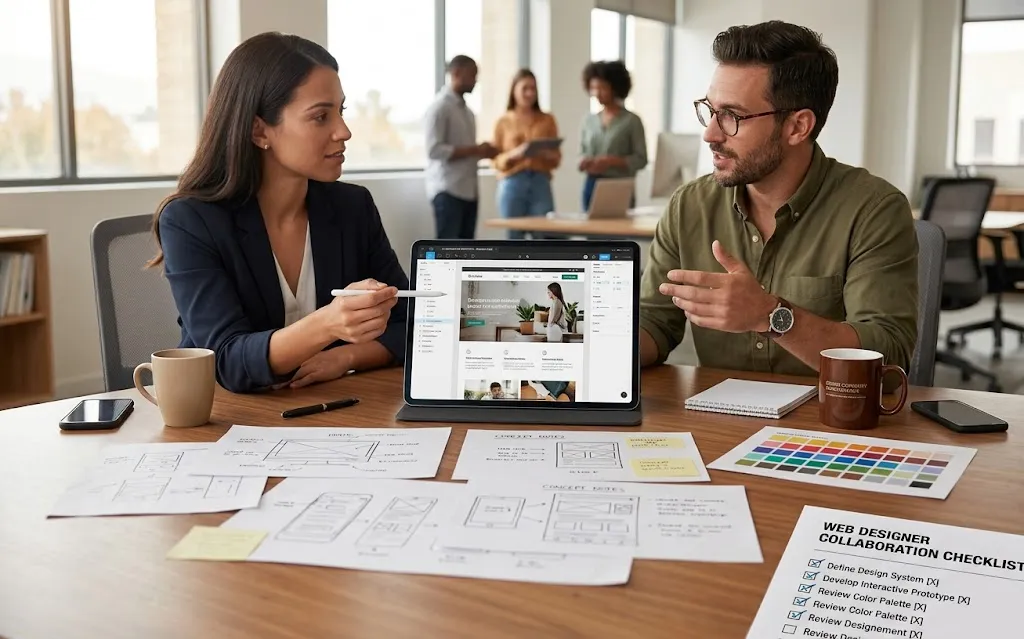
Before you begin searching for a designer, clarify exactly what you need. Are you building a simple portfolio site, an e-commerce platform, or a complex web application? Your project scope directly impacts the type of professional you should hire.
Start by documenting:
- Project scope and website type (corporate site, blog, store, app)
- Core features and functionality required
- Target audience and user behavior expectations
- Timeline and budget constraints
- Long-term maintenance and support needs
Taking time to define these parameters prevents costly pivots mid-project. If you’re unsure about design trends relevant to your industry, our guide on web design trends 2026 provides actionable insights into what modern, high-performing sites look like today.
Design Agency vs Freelancer: Making the Right Choice
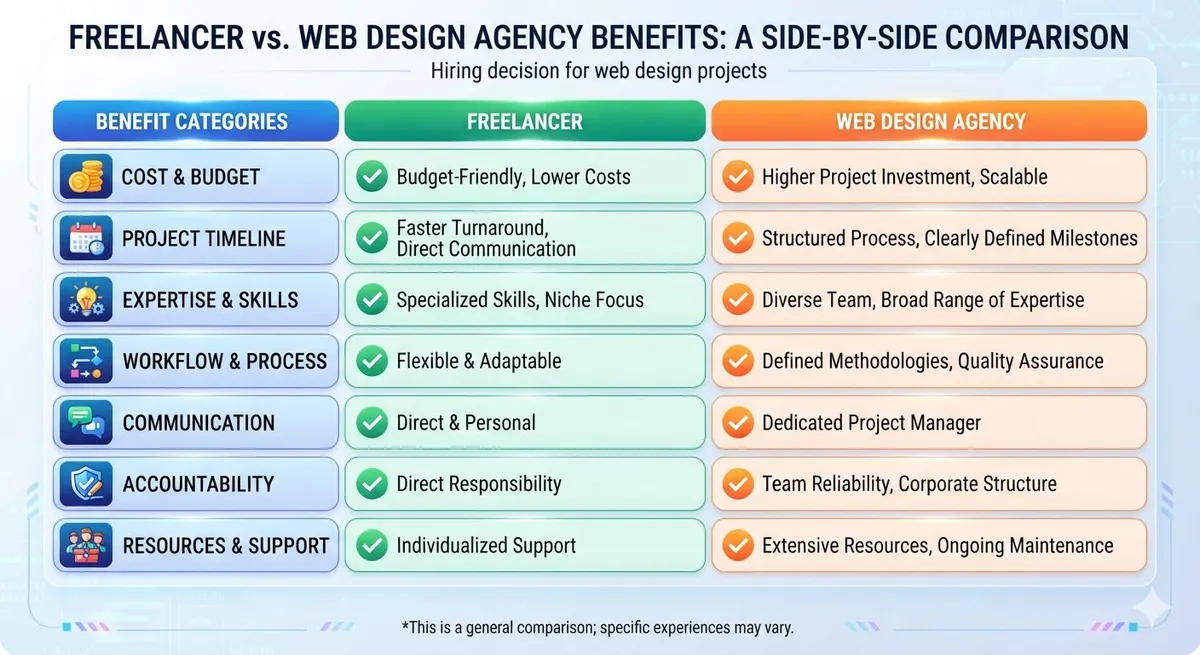
One of the biggest decisions when you set out to hire a web designer is choosing between a dedicated design agency and an independent freelancer. Each approach offers distinct advantages and trade-offs.
Design Agency Advantages
Agencies bring multiple specialists under one roof. You gain access to strategists, UX designers, developers, and copywriters who collaborate on your project. Hiring a web design agency through a formal RFP process ensures structured communication and professional project management.
Agencies typically offer:
- Team expertise across design, development, and strategy
- Formal project management and accountability
- Broader portfolio demonstrating diverse industry experience
- Ongoing support and maintenance contracts
- Higher budget capacity for complex projects
The trade-off is cost. Agency fees start around $5,000 for simple sites and easily exceed $50,000 for comprehensive digital solutions.
Freelancer Advantages
Independent designers offer flexibility, lower costs, and direct collaboration. You work with one person who understands your vision completely. Freelancers typically charge $25–$150 per hour or offer fixed project rates between $2,000 and $10,000.
Benefits include:
- Significantly lower web designer costs
- Direct communication without project managers
- Personal attention and relationship-building
- Flexibility to scale hours up or down
- Ideal for small businesses and startups
However, freelancers may lack resources for large-scale projects, offer limited backup support, and have less formal accountability structures. Understanding your team’s capacity and timeline helps determine which approach fits best.
Essential Web Designer Hiring Criteria Checklist
Use this comprehensive checklist to evaluate every potential designer or agency:
Portfolio & Experience
- Review 5–10 recent portfolio projects
- Look for work in your industry or similar sectors
- Check that designs are modern, mobile-responsive, and functional
- Request case studies showing measurable results (traffic, conversions, engagement)
- Verify portfolio sites actually work and load quickly
Technical Skills & Tools
- Proficiency in modern design tools (Figma, Adobe XD, etc.)
- Understanding of responsive design and mobile-first approaches
- Knowledge of SEO-friendly website design principles
- Familiarity with your required platform or CMS
- Accessibility and WCAG compliance awareness
Communication & Process
- Clear communication style and responsiveness
- Defined design process with milestones and deliverables
- Willingness to explain decisions and gather feedback
- Experience managing client expectations
- Transparent about revision rounds and scope changes
Business Practices
- Professional contract covering deliverables, timeline, and payment
- Clear intellectual property ownership terms
- Support and maintenance options after launch
- References from recent clients you can contact
- Insurance and business licensing (for agencies)
Web Designer Cost Breakdown & Budget Planning
Understanding web designer cost structures prevents budget surprises. Pricing varies dramatically based on scope, location, experience, and project complexity.
Typical Pricing Models
Hourly Rates: Freelancers typically charge $35–$150/hour; agencies charge $75–$250+/hour. Total project cost depends on estimated hours and scope creep.
Fixed Project Fees: Many designers quote all-inclusive rates covering design, development, and revisions. Simple sites: $2,000–$8,000. Mid-complexity sites: $8,000–$25,000. Complex or e-commerce: $25,000–$100,000+.
Retainer Models: Ongoing design and development support costs $1,000–$5,000 monthly depending on scope and response times.
Budget Planning Tips
According to HubSpot’s marketing research, companies investing adequately in web design see 40% higher conversion rates. Allocate budget for:
- Initial design and development (60% of budget)
- Content creation and copywriting (15% of budget)
- Revisions and refinements (15% of budget)
- Post-launch support and optimization (10% of budget)
If your budget is limited, consider phased approaches: launch core functionality first, add advanced features later. For e-commerce projects specifically, our guide on custom e-commerce web design and conversion optimization details investment levels matched to revenue potential.
Real-World Case Studies: Successful Designer Hiring
Learning from real projects illustrates what effective designer hiring looks like.
Case Study 1: SaaS Startup Success
A B2B SaaS company needed a website redesign to improve lead generation. They hired a design agency specializing in B2B SaaS web design, with budget of $18,000 and a 12-week timeline.
The agency conducted user research, created detailed wireframes, and implemented modern design patterns. Results: 35% increase in qualified leads, 28% improvement in page load time, and significantly improved user engagement metrics. The structured agency approach proved worth the investment for this growth-focused company.
Case Study 2: Portfolio Site That Converts
A freelance photographer needed a portfolio website design that converted visitors into clients. Working with a skilled freelancer ($4,500 total), they built a clean, image-focused site optimized for mobile viewing.
The designer prioritized user experience and conversion optimization. Within three months, the photographer reported 45% more client inquiries directly attributable to the new site. This demonstrates that effective hiring needn’t be expensive—it requires finding the right fit for your specific needs and budget.
Case Study 3: Enterprise Redesign
A mid-market technology company with 150+ pages needed a comprehensive website redesign. They hired a full-service agency ($65,000 budget, 24-week project). The team included strategists, UX designers, developers, and a dedicated project manager.
The agency conducted extensive stakeholder interviews, created comprehensive design systems, and ensured SEO best practices were implemented throughout. The new site reduced page load times by 52%, increased organic search traffic by 41%, and improved internal page navigation significantly.
Conducting Effective Designer Interviews
Once you’ve narrowed your options, conduct structured interviews. Ask behavioral and technical questions that reveal problem-solving ability and communication skills.
Key Interview Questions
- “Walk me through a recent project from initial concept to launch.”
- “How do you approach understanding client needs and target audiences?”
- “Describe a time a client disagreed with your design direction. How did you handle it?”
- “What’s your process for ensuring designs are mobile-responsive and accessible?”
- “How do you stay current with design trends and best practices?”
- “What does your post-launch support and maintenance look like?”
Pay attention to how clearly they explain technical concepts. Strong designers communicate complex ideas accessibly—a signal they’ll manage expectations well throughout the project.
Red Flags When Hiring a Web Designer
Protect yourself by identifying warning signs early:
- No portfolio or outdated examples of past work
- Unwilling to discuss process or methodology
- Vague about deliverables, timeline, or revision policy
- No written contract or clear terms
- Unresponsive communication or defensive attitude
- Pressure to choose quickly or claims they’re “too busy” for your project
- Unwillingness to sign NDA or discuss IP ownership
- Portfolio sites with broken links or poor functionality
Trust your instincts. The right designer fit combines technical skill, clear communication, and professional accountability.

Making Your Final Decision & Negotiating Terms
After interviews and portfolio review, you’ll likely have 2–3 strong candidates. Compare them directly:
- Overall experience and relevant portfolio projects
- Communication style and responsiveness
- Proposed timeline and project plan clarity
- Total cost and payment terms
- Post-launch support included
- Cultural fit and working relationship potential
Once selected, negotiate the contract. Ensure it covers:
- Detailed scope of work and deliverables
- Timeline with clear milestones
- Revision rounds and additional change fees
- Payment schedule (typically 50% deposit, 50% on completion)
- Intellectual property ownership
- Support duration and response time guarantees
- Termination clauses for both parties
A clear, written agreement protects both you and the designer, preventing misunderstandings and disputes.
Onboarding Your New Designer & Setting Up for Success
The first weeks set the tone for the entire project. Prepare your designer for success by providing:
- Brand guidelines, logos, and style documentation
- Competitive site analysis and inspiration links
- Target audience descriptions and user personas
- Current site analytics or performance data
- Content strategy or content inventory
- Stakeholder list and decision-making authority
Establish regular communication cadence—weekly calls work well for most projects. Create a shared feedback document to collect team input systematically rather than through scattered emails.
Post-Launch: Ongoing Optimization & Support
Your relationship with the designer doesn’t end at launch. Plan for post-launch optimization and support. If you need help improving conversion performance after launch, our comprehensive guide on conversion rate optimization mistakes identifies opportunities to boost ROI from your investment.
Many designers offer monthly maintenance retainers covering updates, security patches, and minor design refinements. This ongoing partnership often generates more value than the initial build.
Conclusion: Your Web Designer Hiring Action Plan
Hiring the right web designer is a critical investment in your digital success. By following this comprehensive guide—clarifying your needs, evaluating candidates against clear criteria, understanding web designer costs, and learning from real case studies—you’ll make an informed decision that drives results.
Whether you choose to hire a web designer through an agency or work with a freelancer, prioritize clear communication, defined scope, professional contracts, and a genuine working relationship. The most successful design projects happen when clients and designers share aligned goals and realistic expectations.
Ready to start your web designer hiring process? Contact Particular Angles today for a free consultation about your website design needs. We’ll help you clarify project scope, define success metrics, and connect you with the right design partner for your business.
Particular Angles specializes in web design strategy, execution, and digital marketing integration for B2B SaaS, technology, and professional services companies. Our team combines deep design expertise with conversion optimization and SEO knowledge to ensure your website generates measurable business results.