




Last updated: June 12, 2026
Web Design Trends 2026: Modern Practices for Converting Visitors
The digital landscape shifts rapidly, and staying ahead of web design trends 2026 is essential for businesses competing online. Today’s visitors expect seamless experiences, personalized interactions, and intuitive navigation—elements that directly impact conversion rates. Whether you’re redesigning an existing website or launching a new digital presence, understanding the latest design trends and conversion-focused strategies will give your business a competitive edge. This guide explores the most impactful modern web design practices transforming how companies attract, engage, and convert their audiences.
Understanding the Current Landscape of Web Design Trends for 2026
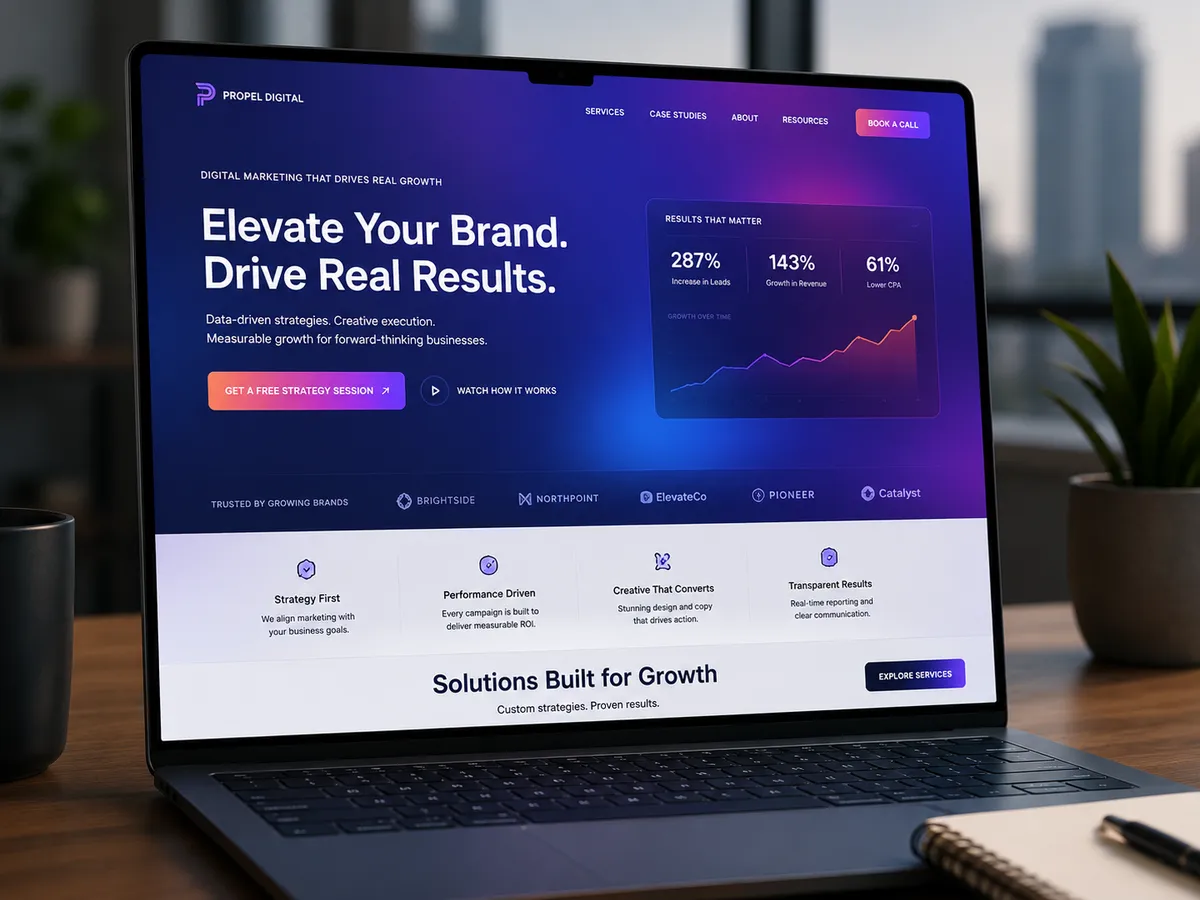
The evolution of web design reflects broader changes in user behavior and technology adoption. According to Statista’s 2026 digital trends report, 73% of businesses recognize design quality as a critical factor in conversion optimization. Modern web design practices now prioritize user experience (UX) alongside aesthetics, creating interfaces that feel both beautiful and functional.
Gone are the days of Flash animations and cluttered layouts. Today’s most successful websites embrace minimalism, fast loading times, and mobile-first approaches. The shift reflects a fundamental truth: visitors abandon poorly designed websites in seconds. Conversion-focused design acknowledges this reality by eliminating friction and guiding users toward desired actions.
Key Web Design Best Practices Driving Conversions in 2026
Mobile-First Design Excellence
Mobile devices now account for over 60% of web traffic, making mobile-first design non-negotiable. Rather than adapting desktop designs for smaller screens, modern web design practices start with mobile experiences and scale upward. This approach ensures responsive layouts that maintain functionality and aesthetics across all devices.
Practical implementation includes touch-friendly buttons, readable font sizes without zooming, and streamlined navigation menus. Pages that load quickly on mobile networks see significantly higher conversion rates. According to Google’s Mobile Usability Guide, mobile page speed correlates directly with user engagement and conversion metrics.
AI-Powered Personalization
Artificial intelligence enables unprecedented personalization in web design. Modern platforms now use AI to analyze visitor behavior, preferences, and browsing history to deliver customized content, product recommendations, and messaging. This personalized approach creates relevance, increasing the likelihood of conversions.
Dynamic content blocks, personalized hero sections, and AI-driven chatbots represent conversion-focused design in practice. Visitors experience websites tailored to their needs, reducing cognitive load and friction in the decision-making process.
Micro-interactions and Feedback Loops
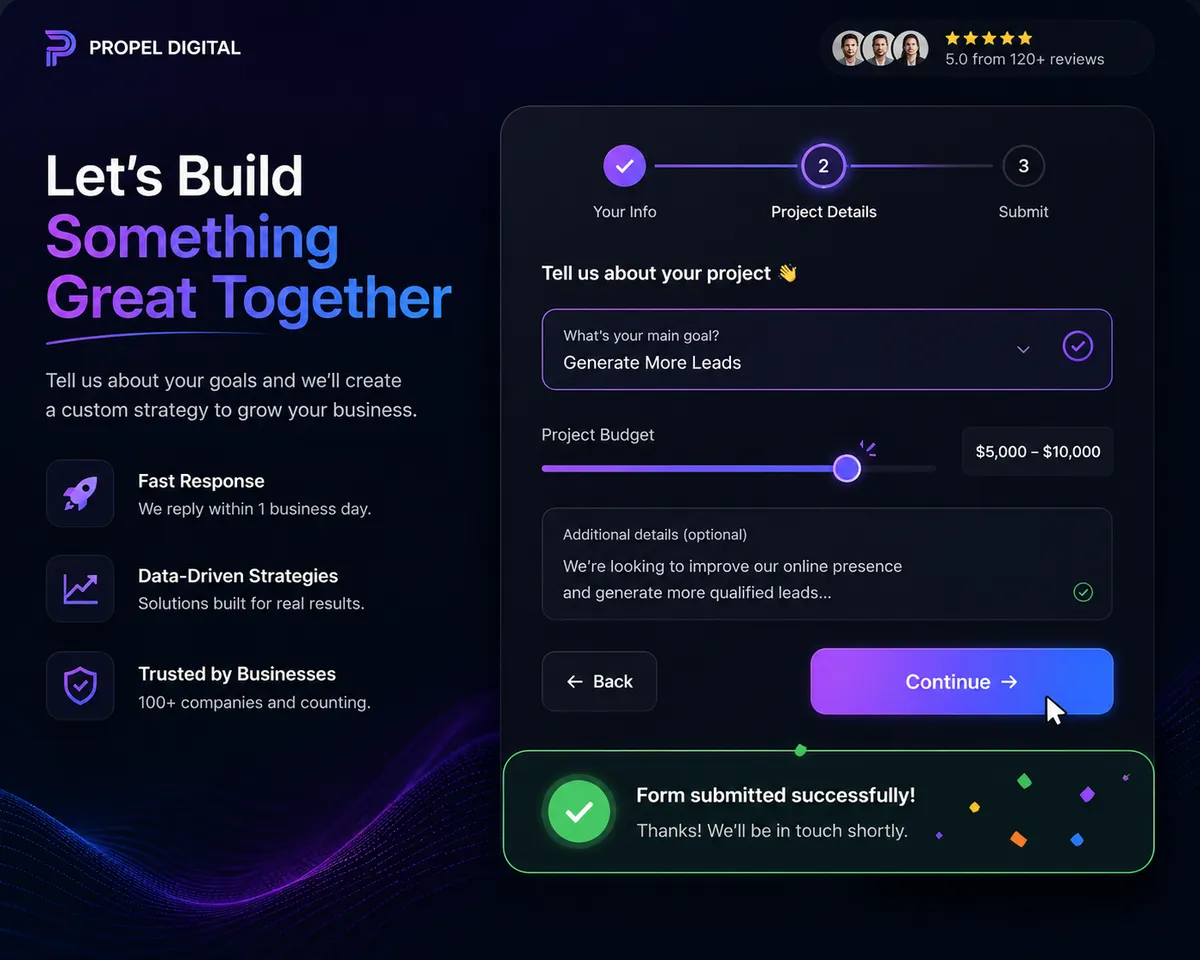
Subtle animations, button hover states, and loading indicators enhance user experience through immediate feedback. These micro-interactions signal responsiveness and build confidence in the interface. When executed thoughtfully, they guide users through conversion funnels without feeling intrusive.
Latest Digital Design Approaches Shaping Industry Standards
Dark Mode and Accessibility-First Design
Dark mode continues gaining traction, offering reduced eye strain and improved battery life on OLED screens. However, leading web design practices in 2026 prioritize accessibility alongside aesthetic choices. This means ensuring sufficient contrast ratios, respecting user system preferences, and providing toggle options.
Web Content Accessibility Guidelines (WCAG) compliance is no longer optional—it’s a conversion imperative. Accessible design reaches broader audiences, including users with visual, motor, or cognitive impairments. Semantic HTML, proper heading hierarchies, and alt text for images represent best practices that improve both accessibility and SEO.
Immersive Visual Experiences
3D elements, interactive product demonstrations, and scroll-triggered animations create engaging experiences that capture attention. Modern web design practices balance these immersive elements with performance optimization, ensuring experiences load quickly and function smoothly across devices.
Real-world examples include product configurators that let users customize items in real-time, virtual showrooms that showcase products from multiple angles, and animated data visualizations that communicate complex information clearly. These conversions-focused design elements transform passive browsing into active engagement.
Converting Visitors Through Strategic Design Patterns
Trust Signals and Social Proof
Conversion-focused design integrates trust-building elements strategically. Customer testimonials, security badges, client logos, and user reviews appear prominently on high-traffic pages. HubSpot research indicates that 72% of customers trust businesses more when they see positive reviews, making social proof a critical design component.
Modern web design practices place these elements contextually—testimonials near pricing sections, security badges near forms, and customer counts near CTAs. Placement matters as much as presence; strategic positioning amplifies conversion impact.
Progressive Disclosure and Smart Form Design
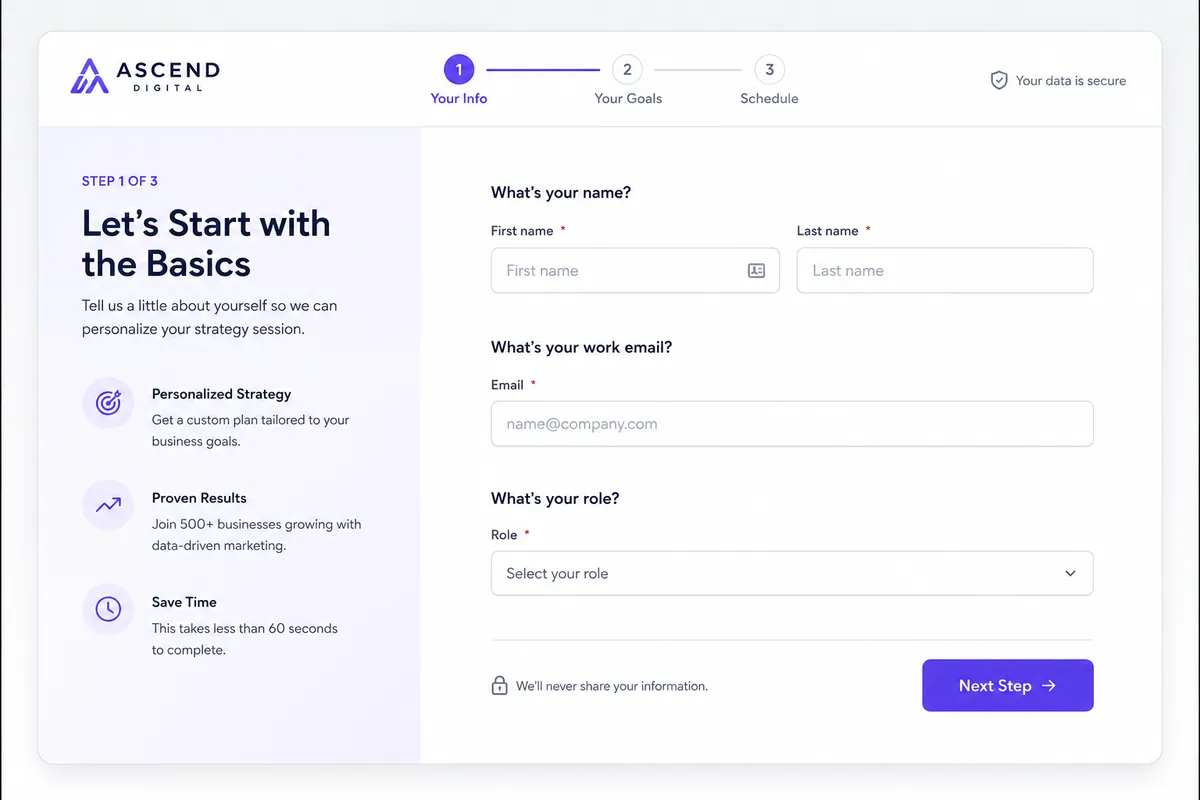
Long forms reduce conversion rates substantially. Modern web design best practices employ progressive disclosure—revealing form fields gradually based on previous answers or user behavior. Multi-step forms with clear progress indicators feel less overwhelming than single-page forms requesting excessive information upfront.
Smart fields auto-populate where possible, validation occurs in real-time, and optional fields are clearly marked. These thoughtful touches reduce friction and completion friction, directly improving conversion metrics.
Technical Excellence as a Conversion Driver
Core Web Vitals and Performance Optimization
Google’s Core Web Vitals—measuring loading speed, interactivity, and visual stability—directly influence both rankings and user experience. Websites with poor Core Web Vitals see higher bounce rates and lower conversions. Modern web design practices prioritize these metrics from project inception, not as afterthoughts.
Techniques include image optimization, lazy loading, code splitting, and efficient caching strategies. Search Engine Journal’s 2024 analysis showed that websites achieving “Good” Core Web Vitals scores converted 24% more visitors than those with poor scores.
Security and Privacy-First Design
With increasing privacy regulations and security concerns, modern websites implement visible security measures and transparent data handling policies. SSL certificates, clear privacy statements, and GDPR/CCPA compliance aren’t just legal requirements—they’re conversion factors.
Users hesitate to share information or make purchases on websites lacking clear security indicators. Modern web design practices prominently display trust signals, make privacy policies accessible, and explain how visitor data is used and protected.
Implementing Web Design Trends 2026 in Your Business
Adopting latest design trends requires a strategic approach. Start by auditing your current website against modern web design practices outlined above. Identify friction points in your conversion funnels and prioritize improvements based on impact and feasibility.
Consider these implementation steps:
- Conduct user testing to understand visitor pain points and preferences
- Implement mobile-first responsive design if you haven’t already
- Add personalization elements through AI tools or behavioral targeting
- Optimize Core Web Vitals for performance
- Integrate trust signals and social proof strategically
- Simplify forms and conversion paths
Remember that web design trends 2026 emphasize balance—beautiful design serving functional purposes, modern practices grounded in user psychology, and aesthetic excellence supporting conversion goals. The most successful websites feel intuitive to visitors, making desired actions obvious and friction-free.
Why Professional Design Matters for Your Bottom Line
Implementing modern web design practices isn’t just about following trends—it’s about understanding that every design decision impacts business outcomes. A well-designed website converts better, ranks higher in search results, and builds stronger customer relationships.
Professional designers understand conversion psychology, technical requirements, and aesthetic principles. They create websites that compete effectively in 2026’s competitive digital environment, where user expectations continue rising and attention spans remain short.
Your website represents your business 24/7. It should reflect current web design standards, implement proven conversion strategies, and deliver experiences that exceed visitor expectations. Modern web design practices transform websites from digital brochures into conversion machines.
Conclusion: Your Next Steps
Web design trends 2026 prioritize user experience, conversion optimization, and technical excellence. By implementing modern web design practices—from mobile-first responsiveness to AI personalization—you position your business for digital success. The most effective conversion-focused design balances beauty with functionality, aesthetics with performance, and innovation with user psychology.
Your website deserves more than outdated designs and missed conversion opportunities. Whether you’re refreshing an existing site or launching a new digital presence, now is the time to implement best practices that deliver results. Contact Particular Angles today to discuss how modern web design practices and proven conversion strategies can transform your digital presence and drive measurable business growth.
[Author bio placeholder — add your credentials and experience here to strengthen E-E-A-T signals]