




Last updated: October 2, 2026
Web Design Trends for Tech Startups in 2026: UI/UX Best Practices
The digital landscape transforms rapidly, and web design trends 2026 are reshaping how tech startups present themselves online. If you’re launching or scaling a startup this year, your website is no longer just a digital business card. It’s your most critical conversion asset. Modern web design trends emphasize speed, accessibility, personalization, and user experience above all else. This guide explores the essential UI/UX best practices that leading tech companies are implementing, helping you build a website that converts visitors into customers.
Poor website experiences can quickly cause visitors to leave and look for alternatives. For startups competing in crowded markets, every design decision matters.
Understanding Current Web Design Trends for 2026
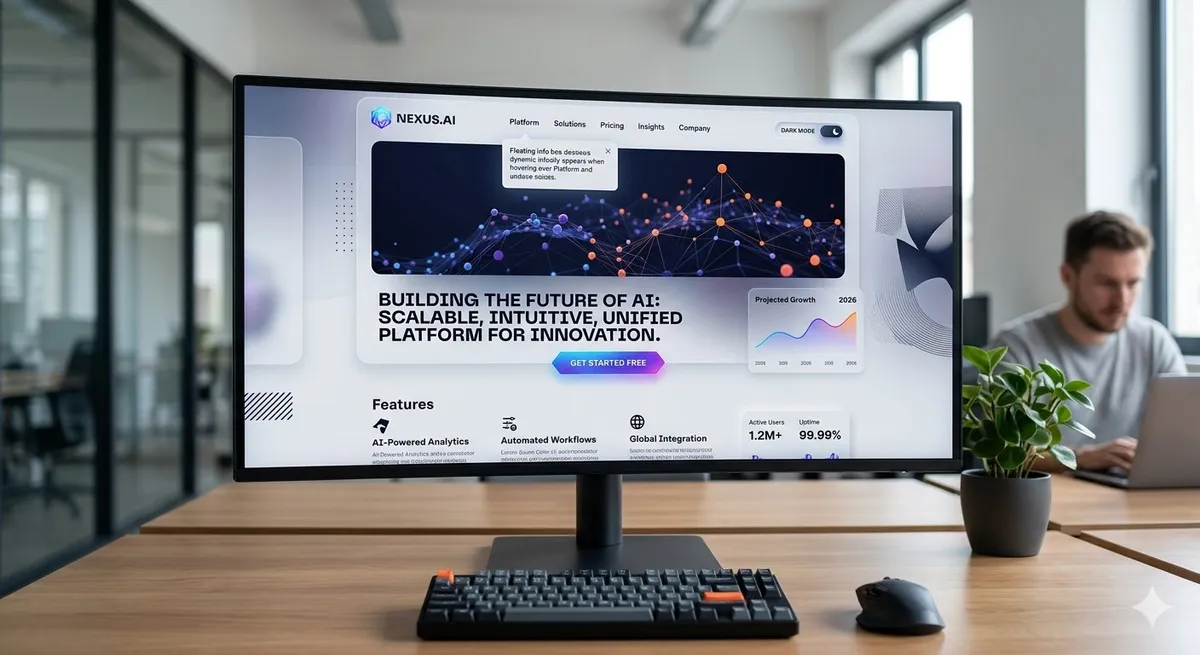
Web design trends 2026 reflect a fundamental shift toward performance-first design. Startups are moving away from heavy, visually cluttered interfaces toward clean, intentional designs that guide users toward conversion goals. The latest design innovations in web development prioritize loading speed, mobile-first experiences, and accessibility compliance.
Key trends shaping startup web design this year include AI-powered personalization, advanced micro-interactions, dark mode as standard (not optional), and voice interface integration. Progressive Web Apps (PWAs) continue gaining traction, with Google’s Progressive Web Apps initiative driving adoption across industries. These technologies aren’t future-focused. They’re essential competitive advantages in 2026.
The modern web development landscape also emphasizes componentized design systems. Startups using reusable component libraries can streamline development while maintaining design consistency across platforms. This approach aligns perfectly with the startup imperative: move fast, iterate quickly, and scale intelligently.
UI/UX Best Practices Every Tech Startup Needs in 2026
Exceptional UI/UX design isn’t optional. It directly impacts your bottom line. Nielsen Norman Group research highlights the potential business value of investing in user experience. For startups operating on limited budgets, this ROI justifies prioritizing design excellence from day one.
Responsive Web Design as Foundation
Responsive web design remains non-negotiable in 2026. With mobile users accounting for a substantial share of web traffic, your startup’s website should provide a consistent and accessible experience across screen sizes. This means designing mobile-first, then progressively enhancing for larger screens.
Modern responsive design goes beyond simple grid systems. It includes fluid typography, adaptive imagery, and context-aware navigation. Responsive web design can help startups provide a smoother mobile experience and reduce friction for users across different devices. CSS Grid and Flexbox have matured to the point where responsive layouts require minimal workarounds.
Accessibility and Inclusive Design
Accessibility isn’t a nice-to-have feature. It’s both a legal requirement and a sound business practice. WCAG 2.1 Level AA remains a widely used accessibility target, while organizations should also consider applicable legal requirements and newer WCAG guidance. Startups that consider accessibility from the beginning can create more inclusive experiences and reduce the need for costly accessibility-related redesigns later.
Inclusive design practices include: proper color contrast ratios (4.5:1 minimum for body text), keyboard navigation support, semantic HTML structure, alt text for all images, and ARIA labels for complex components. These improvements benefit all users, not just those with disabilities.
Accessibility Checklist
Before launching a startup website, check the following:
- Use sufficient color contrast.
- Make navigation accessible with a keyboard.
- Add descriptive alt text to meaningful images.
- Use semantic HTML elements.
- Provide visible focus states.
- Label form fields clearly.
- Test important pages with accessibility tools.
- Review the site against current WCAG requirements.
Practical Tools for Startup Web Design
Startups can use tools such as Figma for interface design, Google PageSpeed Insights and Lighthouse for performance testing, Google Search Console for search visibility monitoring, Microsoft Clarity for behavior analysis, and WebPageTest for detailed performance testing. Using these tools throughout the design process helps teams identify usability, accessibility, and performance issues before they affect conversions.
Emerging Design Innovations Driving Startup Success
The most successful startups in 2026 leverage emerging technologies within their web design strategies. AI-powered personalization engines now adjust website content, product recommendations, and CTAs based on user behavior and demographics. Personalized experiences can improve relevance and engagement when they are based on useful customer data and clear user needs.
Micro-interactions, subtle animations and feedback mechanisms have become central to modern web design. When users hover over buttons, submit forms, or complete actions, well-designed micro-interactions provide immediate feedback that improves perceived performance and reduces friction. These aren’t gratuitous animations; they’re functional design elements that guide users through conversion funnels.
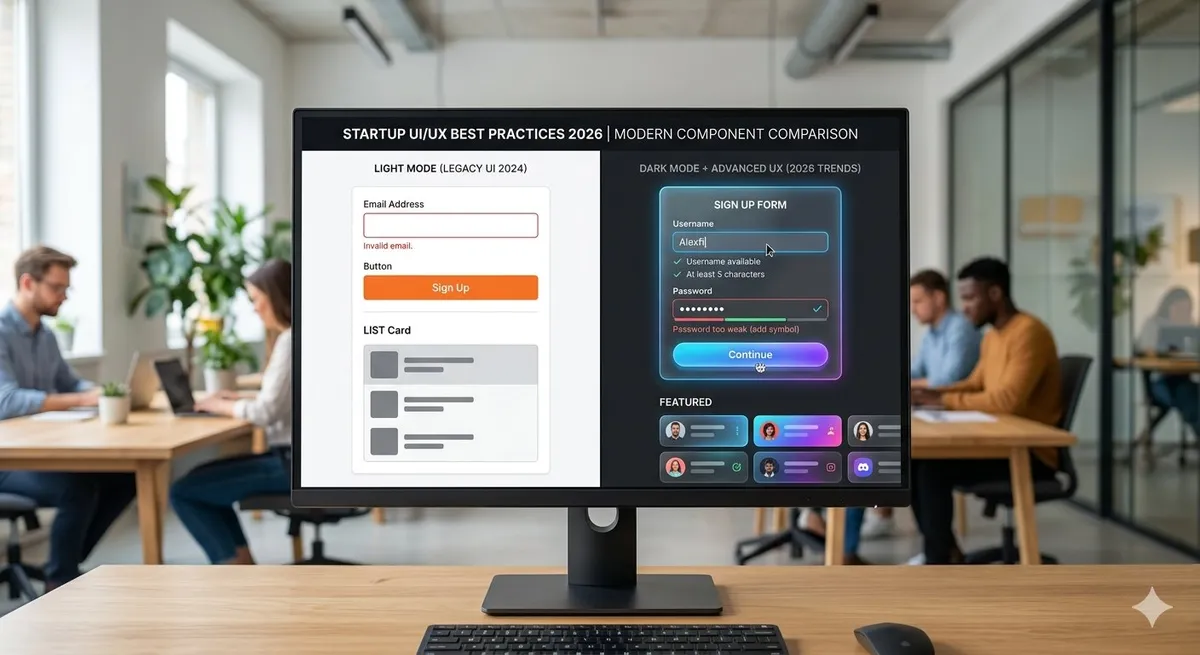
Glassmorphism and neumorphism design trends featuring frosted glass effects and soft, sculptural elements are gaining traction with design-forward startups. These approaches create visual hierarchy and depth while maintaining the clean aesthetic that users expect in 2026.
Startup Web Design: Responsive Strategies for Growth
Responsive web design isn’t just about fitting content to different screens. It’s about crafting experiences optimized for each context. Mobile users typically have different goals than desktop users. They’re often on-the-go, using their phones for quick research or immediate transactions.
Mobile-First Development
The mobile-first approach inverts traditional web development. Designers and developers start with the smallest screen size, ensuring core functionality works perfectly on mobile, then enhance progressively. This forces discipline and prioritization. Every element must justify its existence.
Startups adopting mobile-first strategies report faster development cycles and higher conversion rates. Touch-friendly interfaces with appropriately sized buttons (minimum 48×48 pixels), readable text without zooming, and streamlined navigation are non-negotiable. Consider custom web design vs template approaches through a mobile-first lens; custom solutions allow you to optimize every interaction for your specific audience.
Performance Optimization
Page speed directly correlates with conversion rates. Google’s Core Web Vitals: Largest Contentful Paint (LCP), Interaction to Next Paint (INP), and Cumulative Layout Shift (CLS) are now ranking factors. Startups targeting sub-2-second load times on 4G connections gain measurable SEO advantages.
Performance optimization includes: image optimization with modern formats (WebP), lazy loading, code splitting, minification, and leveraging Content Delivery Networks (CDNs). Progressive Web Apps naturally excel here, delivering app-like experiences with dramatically reduced data usage.
Building a Design System for Startup Scale
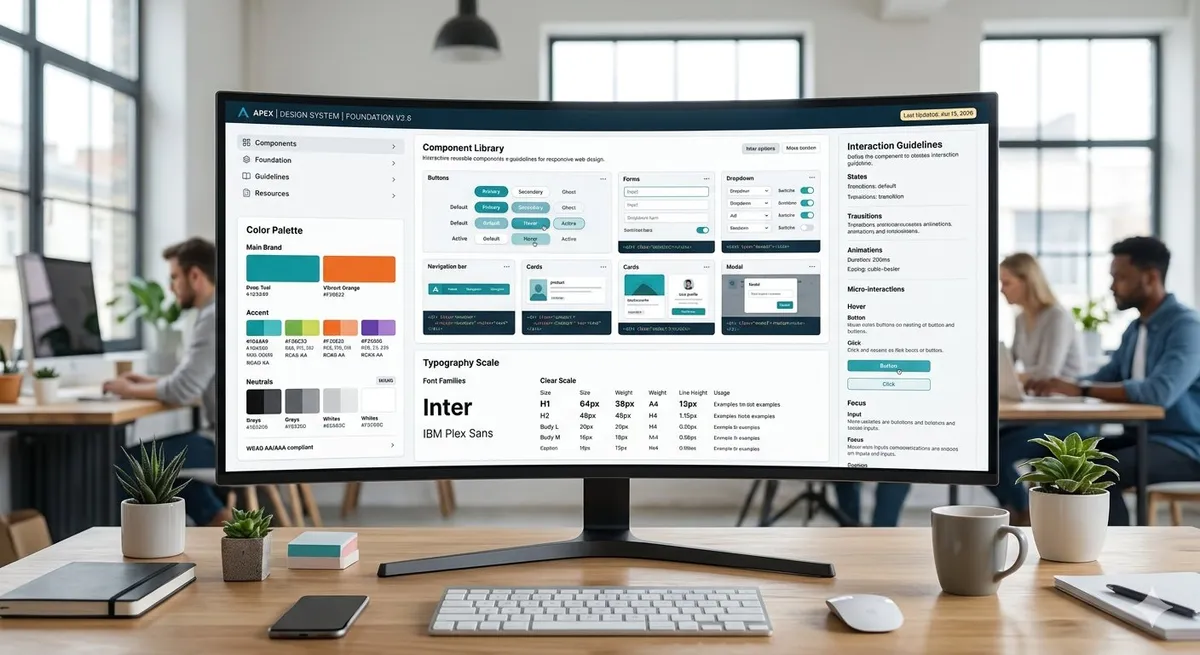
As startups grow, design consistency becomes increasingly challenging. A documented design system including component libraries, color palettes, typography scales, and interaction patterns ensures coherence across products and platforms. Companies like Figma and Stripe have published design systems that other startups can learn from.
Design systems can accelerate development and reduce maintenance effort by giving teams reusable components and consistent design patterns. When all stakeholders reference the same components and patterns, onboarding new team members becomes simpler, and design decisions happen faster. For startups juggling rapid growth with limited resources, this efficiency is invaluable.
Implement your design system incrementally. Start with core components (buttons, inputs, cards), then expand to higher-level patterns. Document decisions, not just what you built, but why you built it that way. This institutional knowledge prevents regression as teams scale.
Web Design for Conversion: Connecting Design to Revenue
Beautiful design doesn’t matter if it doesn’t convert. Every design decision in 2026 should align with revenue goals. This means conducting user research, establishing conversion hypotheses, and testing relentlessly.
Understanding common conversion rate optimization mistakes can help startups avoid issues that reduce website ROI. Your design system should include patterns specifically optimized for conversion: clear value propositions, minimal form fields, trust signals (testimonials, security badges), and strategically placed CTAs.
A/B testing is essential. Test button colors, copy variations, layout changes, and form field counts. Even small improvements, such as moving a CTA above the fold, reducing form fields from five to three, or clarifying your value proposition, can improve conversion performance over time.
Modern Web Development Practices Supporting Design Excellence
Modern web development frameworks like React, Vue, and Next.js enable designers to build sophisticated, interactive experiences. These frameworks provide developer productivity tools that, when paired with thoughtful design, create experiences that feel fast and responsive.
Component-driven development aligns perfectly with design system thinking. React components directly correspond to design system elements, ensuring consistency and enabling designers and developers to collaborate more effectively. Atomic design principles organizing components into atoms, molecules, and organisms provide a shared mental model.
For startups evaluating technology choices, understand the tradeoffs: custom development offers maximum flexibility and optimization but requires more resources and expertise. Learn more about this comparison by reviewing our insights on how to hire a web design agency for tech startups.
Looking Ahead: Web Design Trends 2026 and Beyond
The trajectory is clear: web design trends 2026 emphasize speed, accessibility, personalization, and performance. Startups investing in these areas today are building defensible competitive advantages. The companies that neglect design or treat it as an afterthought will struggle to compete for attention and customer loyalty.
The convergence of design and data is accelerating. Analytics inform design decisions; design improvements generate better data. Startups embracing this flywheel: measuring impact, iterating based on insights, and refining continuously win.
Voice interfaces, augmented reality, and AI integration are moving from futuristic concepts to everyday design considerations. Startups experimenting with these technologies now will establish leadership positions as adoption accelerates.
Getting Started: Your Web Design Roadmap for 2026
Ready to implement 2026 web design trends? Start with these actionable steps:
- Audit your current website: Test mobile responsiveness, measure page speed with Google PageSpeed Insights, and conduct a WCAG accessibility audit.
- Define your design principles: What matters most to your users? Speed? Simplicity? Innovation? Build design decisions around these principles.
- Prioritize mobile experiences: Ensure your mobile site delivers your core value proposition without friction.
- Implement conversion tracking: Establish baseline metrics before making changes so you can measure impact.
- Build incrementally: Don’t redesign everything at once. Prioritize high-impact changes (homepage, pricing page, signup flow).
- Test rigorously: A/B test copy, layouts, and CTAs. Let data drive decisions, not opinions.
Implementing modern UI/UX best practices aligned with web design trends 2026 positions your startup for sustainable growth. The companies shipping thoughtfully designed, high-performance experiences are capturing market share from those still operating with dated approaches.
Your website is your startup’s most important sales tool. Invest in it accordingly. The cost of design excellence is negligible compared to the revenue gains from improved conversion rates, reduced bounce rates, and increased customer lifetime value. If you’re ready to evaluate web design trends 2026 through the lens of your specific business goals, Contact Particular Angles today for a strategic consultation.